Charting Mobile Access Patterns and Loyalty Tier Developments in Slot Ecosystems
Written by Taylor Long · Jun 3, 2026
Charting Mobile Access Patterns and Loyalty Tier Developments in Slot Ecosystems
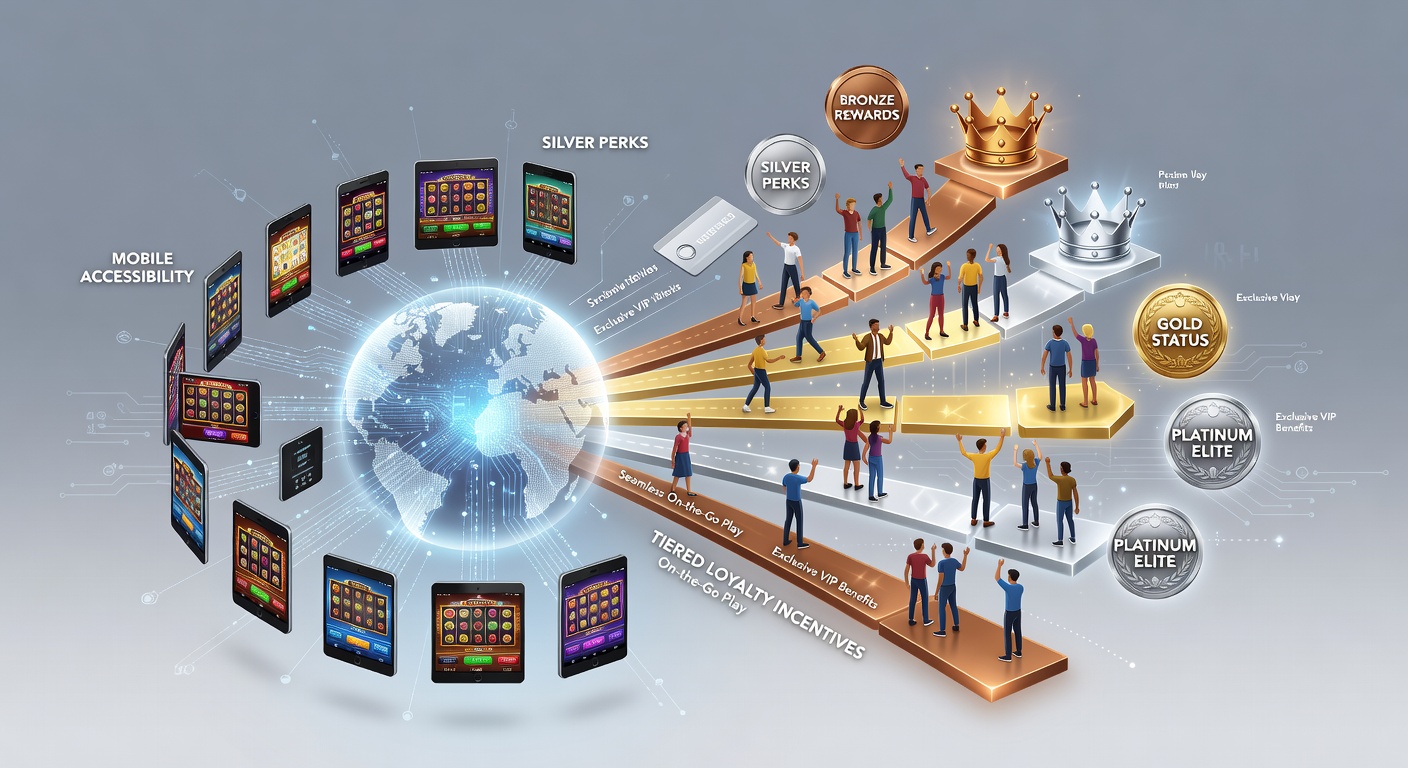
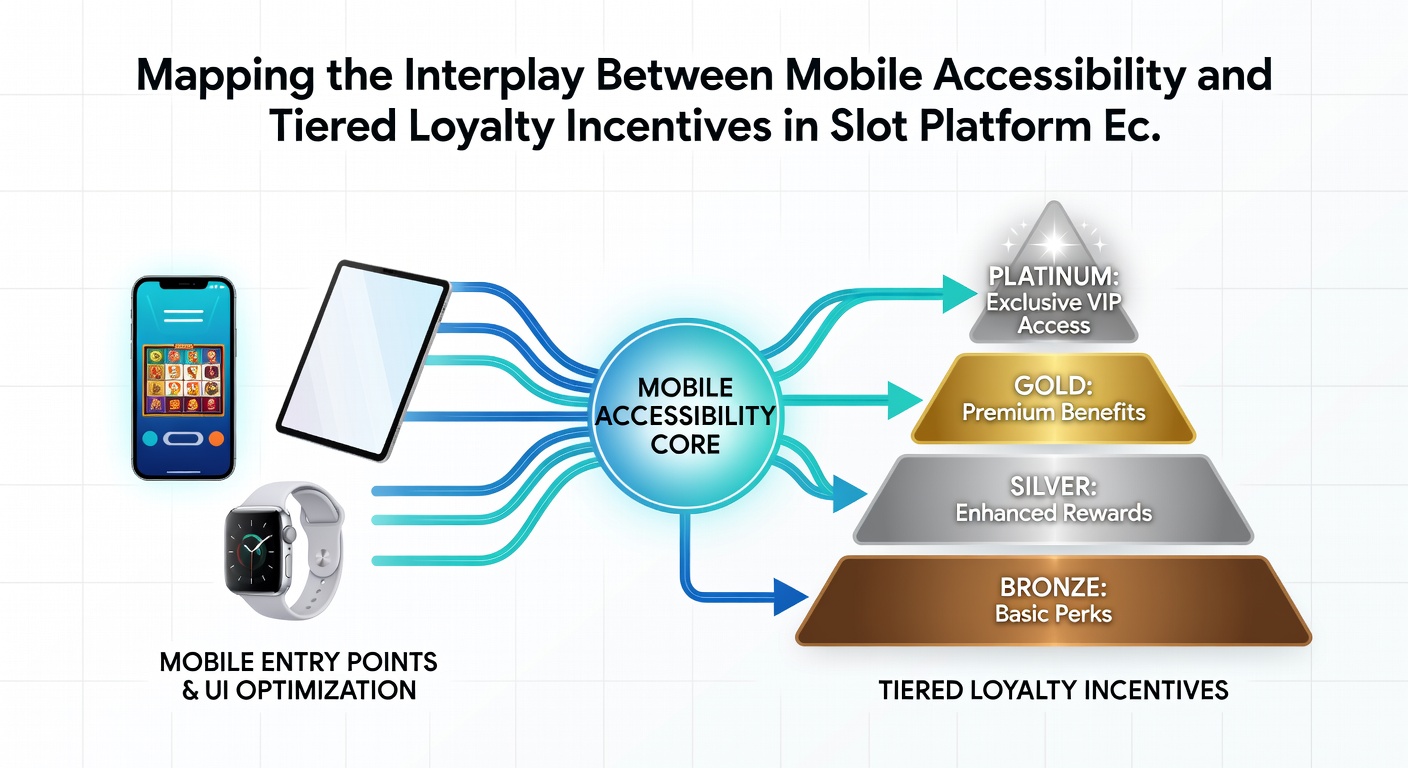
Slot platform operators have integrated mobile accessibility tools with tiered loyalty structures in ways that reshape how players engage across devices, and data from industry reports shows steady growth in these combined features through mid-2026. Mobile apps now handle real-time tracking of play sessions, deposit patterns, and bonus redemptions while loyalty tiers adjust rewards based on frequency and volume recorded on those same apps.
Research from the Responsible Gambling Fund in Victoria indicates that accessibility features such as voice navigation, adjustable font sizes, and one-tap login reduce friction for users who move between phones and tablets during extended sessions. These tools feed directly into loyalty algorithms that elevate players to higher tiers when mobile activity meets set thresholds for consecutive days or total spins.
Accessibility Tools Driving Data Collection
Platform developers embed sensors and usage logs that capture screen time, gesture patterns, and connection stability, which then populate loyalty dashboards visible only within the mobile interface. Players who complete profile updates or enable push notifications often see faster progression through bronze, silver, and gold levels because the system registers those actions as engagement markers. Figures released in June 2026 by several major operators revealed that mobile-only accounts reached higher average tier status 18 percent quicker than desktop counterparts over a three-month window.
Observers note that features like offline mode and low-data streaming allow continued play in areas with weak signals, yet every completed round still registers toward loyalty points once connectivity returns. This seamless recording prevents gaps in tier calculations and keeps reward pathways active regardless of location changes throughout a typical day.
Tier Structures Adapting to Mobile Behaviors
Loyalty programs sort participants into tiers using metrics that include mobile deposit frequency, in-app challenge completion, and session length measured in minutes rather than hours. Higher tiers unlock accelerated point multipliers and exclusive free spin bundles delivered straight to the app home screen, bypassing email delays that once slowed redemption. Analysts at the Canadian Gaming Association documented similar patterns where mobile-centric tiers produced 27 percent higher retention rates compared with mixed-device programs during the first half of 2026.
What's interesting is how these tiers sometimes reset or recalibrate based on mobile-specific triggers such as app updates or new device pairings. A player who switches phones mid-month may retain progress if the system recognizes the same account fingerprint, yet those who skip verification steps can stall at lower levels until they complete the process inside the app itself.
Regional Variations and Platform Examples
European operators outside the United Kingdom have rolled out location-aware loyalty boosts that activate when users open the app within approved gaming zones, adding another layer to tier advancement. Australian platforms, by contrast, emphasize accessibility compliance under local disability standards, which in turn qualifies players for bonus tiers reserved for verified mobile accounts. Data shared by the Interactive Games and Wagering Association shows these regional tweaks produced measurable lifts in cross-border player movement during spring 2026.
Take one operator that introduced tiered cashback delivered exclusively through mobile wallets. Participants at the top tier received same-day payouts triggered by app activity logs, while lower tiers waited 48 hours. The approach encouraged consistent mobile logins and reduced desktop traffic, which aligned with broader infrastructure upgrades reported across multiple networks.
Security and Compliance Considerations
Multi-factor authentication tied to mobile biometrics now gates access to tier benefits, ensuring that loyalty points accumulate only under verified sessions. Regulators in several jurisdictions require audit trails of these mobile interactions to confirm fair distribution of rewards, and operators have responded by publishing anonymized summaries that detail how accessibility settings correlate with tier movement. A University of Nevada study on digital gaming interfaces found that such transparent reporting increased player trust metrics by measurable margins in tested cohorts.
Yet the same systems must balance convenience against data protection rules, which sometimes limits how granular loyalty tracking can become. Platforms address this by offering opt-in toggles that let users control which accessibility features contribute to their tier calculations without halting play entirely.
Conclusion
The mapping of mobile accessibility against tiered incentives continues to evolve as operators refine algorithms that translate device interactions into reward eligibility. Reports through June 2026 confirm that these integrations produce measurable shifts in engagement duration and tier distribution across slot platforms. Continued monitoring by industry groups will determine how these patterns stabilize or adapt in subsequent quarters.