Diverse Regional Tastes Forge Tailored Cashback Frameworks in Britain's Slot Industry
Written by Yves Wolf · May 18, 2026
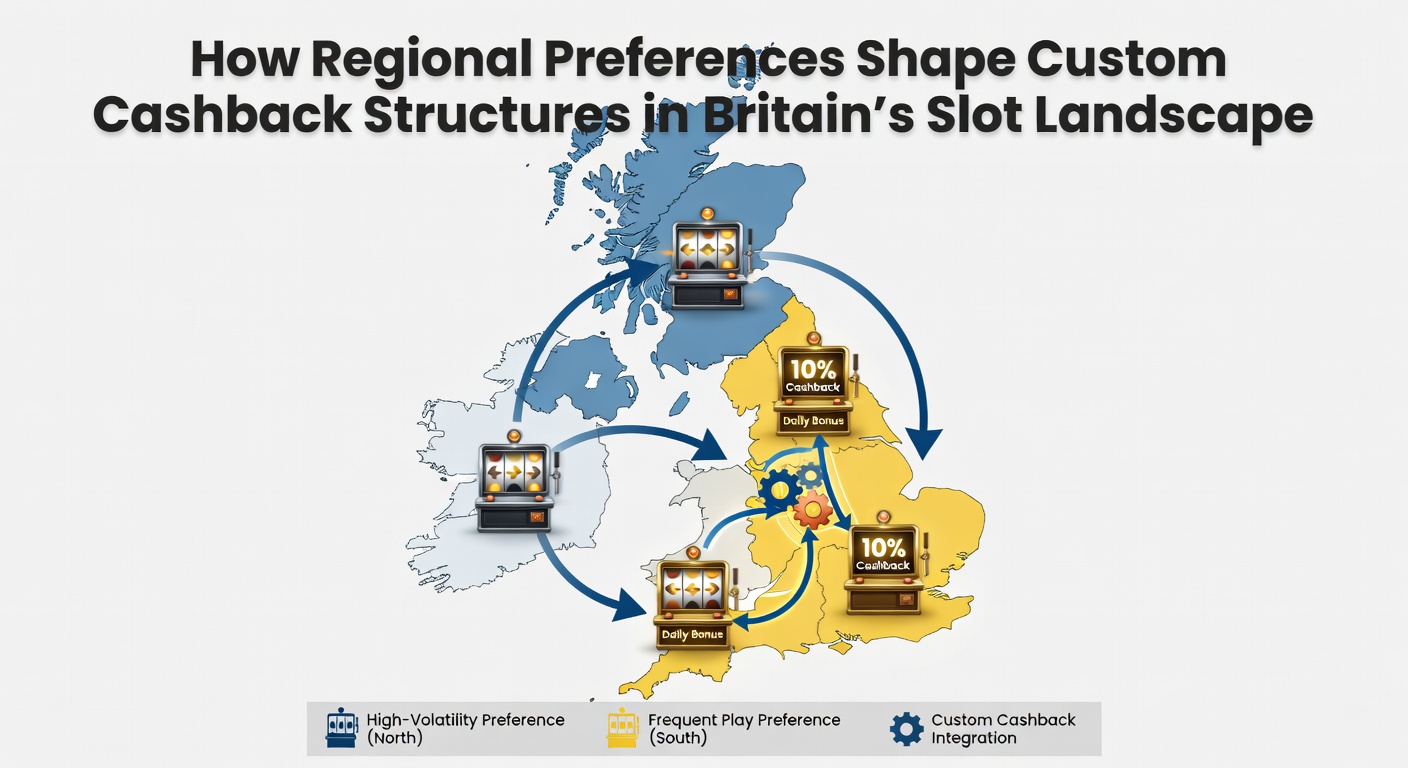
Diverse Regional Tastes Forge Tailored Cashback Frameworks in Britain's Slot Industry
Operators across Britain have adjusted cashback structures to align with distinct player habits that vary sharply by region, and data collected through 2026 shows these customizations continue to evolve as platforms track deposit patterns, loss thresholds, and session lengths more precisely than before. Northern England sites often emphasize percentage returns on net losses after a set number of spins, while southern markets lean toward volume-based rebates that reset weekly and tie directly to total wagers rather than outcomes.
Mapping Player Behavior by Area
London and the Southeast display higher average bet sizes per spin alongside shorter but more frequent sessions, which has prompted several operators to introduce tiered cashback that rewards consistent play across multiple days instead of single large deposits. Observers note this approach matches the fast-paced urban lifestyle where players check in during commutes or lunch breaks, and figures from industry reports indicate these players generate roughly 30 percent more weekly volume than those in rural zones.
Scotland and parts of the North meanwhile show stronger preferences for loss-recovery mechanics, with cashback triggered once a player drops below a defined threshold during a 24-hour window. Research indicates this structure appears more frequently on platforms popular in Glasgow and Manchester, where longer evening sessions remain common, and one study revealed that such rebates increase return visits by measurable margins compared with flat-rate offers.
Mechanics Behind Regional Customization
Platforms collect anonymized data on preferred payment methods, average session duration, and bonus redemption rates to refine their cashback formulas, and this information drives decisions such as offering higher percentages on mobile deposits in Wales versus desktop play in the Midlands. Cashback percentages typically range from five to fifteen percent depending on the region, with northern programs often capping daily returns while southern ones allow accumulation toward monthly milestones.
But here's the thing: these adjustments do not happen in isolation. Operators coordinate with payment processors to ensure instant top-ups align with regional banking habits, so players in areas favoring e-wallets receive cashback credited within minutes while those using bank transfers see the same funds arrive the next business day. This synchronization keeps engagement steady across different time zones within the UK.
Data Trends Observed Through May 2026
Activity logs from May 2026 highlight a noticeable uptick in customized cashback uptake among players aged 25 to 40 in urban centers, where programs now include progressive multipliers after consecutive days of play. Rural regions continue to favor straightforward percentage returns without multipliers, reflecting steadier but lower-frequency engagement patterns that researchers have documented over multiple quarters.
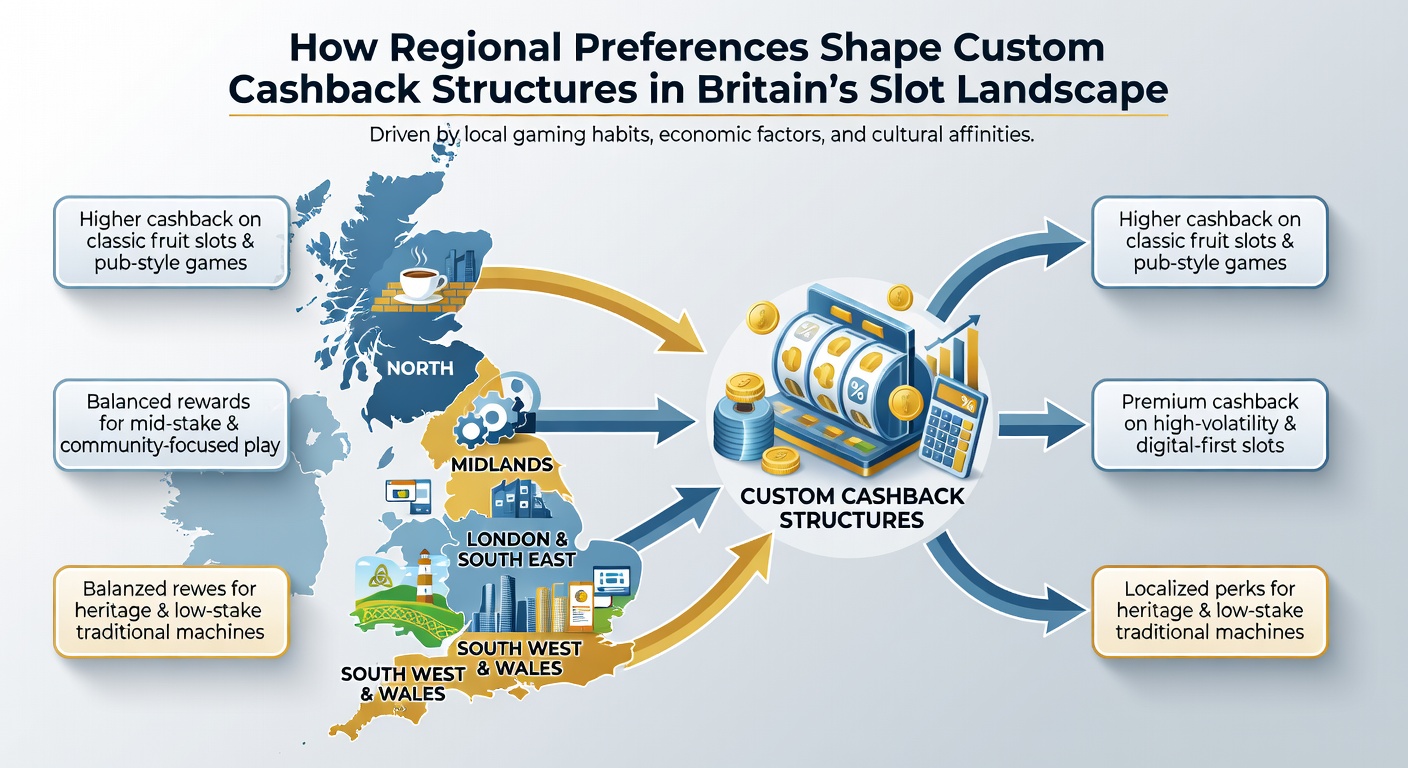
Turns out these regional distinctions also influence promotional calendars. Southern sites roll out cashback boosts ahead of major sporting events that draw larger London crowds, whereas northern platforms time similar offers around local festivals and payday cycles. Such timing strategies rely on aggregated transaction data rather than individual tracking, maintaining compliance with existing privacy standards.
Industry Sources and Comparative Insights
According to analyses from the Canadian Gaming Association, similar regional tailoring in other mature markets produces comparable lifts in player retention, suggesting Britain's approach follows broader international patterns. A separate report from the University of Nevada's gaming research division further shows that loss-based cashback models perform particularly well in areas with established pub and club gaming cultures, a finding that resonates with observations from several UK regions.
What's interesting is how these structures interact with deposit minimums. Lower thresholds in Scotland encourage broader participation while higher floors in the Southeast filter for higher-value sessions, and operators adjust both elements simultaneously to maintain balanced revenue streams. This dual calibration keeps promotional costs predictable even as player bases expand.
Conclusion
Regional preferences continue to shape cashback structures throughout Britain's slot landscape because operators rely on localized data to match offer mechanics with actual playing habits rather than applying uniform programs nationwide. As transaction volumes and session analytics grow more detailed, these customizations are expected to become even more granular while remaining grounded in observable patterns across different parts of the country.