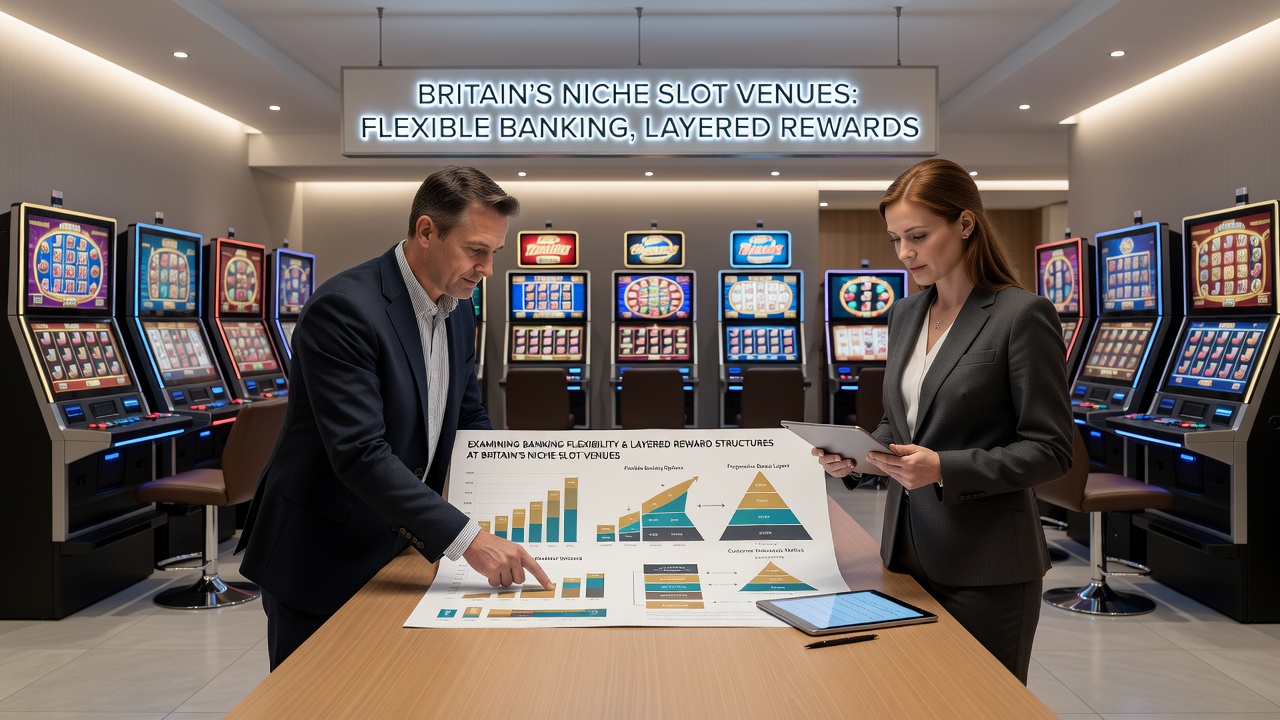
Examining How Banking Flexibility Shapes Layered Reward Structures at Britain's Niche Slot Venues
Written by Ines Krause · Jun 10, 2026

Examining How Banking Flexibility Shapes Layered Reward Structures at Britain's Niche Slot Venues
Britain's niche slot venues continue to refine their operations around payment flexibility as a core driver of how rewards get organized into distinct tiers. Observers note that sites specializing in targeted slot experiences often tie deposit speed and method variety directly to bonus layering, where faster or more adaptable transactions unlock progressive reward brackets. Data from industry reports shows that players who utilize instant banking options frequently access initial reward layers sooner than those relying on standard transfers. This pattern emerges because niche platforms prioritize seamless integration between transaction types and their bonus frameworks, allowing operators to segment offerings based on deposit characteristics rather than uniform structures.Payment Methods and Tiered Incentive Design
Niche venues in Britain typically categorize banking tools into groups that correspond to reward accessibility levels. E-wallet solutions and certain mobile payment services often sit at the entry point for basic layered bonuses, while traditional bank transfers feed into higher tiers that require additional verification steps. Research indicates these distinctions help smaller platforms manage risk while extending play sessions through graduated incentives. According to findings from the Australian Gambling Research Centre, flexible payment ecosystems encourage operators to build reward systems around transaction velocity and compatibility. Venues apply this principle by offering escalating cash matches or spin packages that scale with the chosen banking channel, creating a dynamic where method selection influences overall reward depth. Those who've examined transaction logs at select British sites report that players combining multiple payment types within a single session sometimes qualify for cross-layer bonuses. This approach connects deposit flexibility to retention mechanics without relying on fixed schedules.Impact on Player Engagement Patterns in June 2026
By June 2026, several niche slot platforms had adjusted their layered structures to accommodate evolving banking preferences observed in player data. Venues began emphasizing real-time processing capabilities as a gateway to mid-tier rewards, such as enhanced free spin allocations that build on initial deposits. Figures from gaming analytics firms reveal that sites adopting these adjustments saw measurable shifts in deposit frequency among users favoring adaptive options. What's interesting here is how these changes align with broader trends in transaction technology. Niche operators integrate APIs from various providers to reduce friction, which in turn supports more granular reward layering. One study from the University of Nevada's gaming research division highlights similar patterns in other markets, where payment adaptability correlates with structured incentive growth. Observers note that venues avoiding rigid banking requirements tend to layer rewards around cumulative activity rather than isolated transactions. This allows players to progress through tiers by mixing methods like instant top-ups with scheduled transfers, fostering sustained engagement.