Linking Swift Payment Systems to Multi-Tiered Onboarding Rewards in Britain's Niche Slot Networks
Written by Ines Krause · Jul 20, 2026
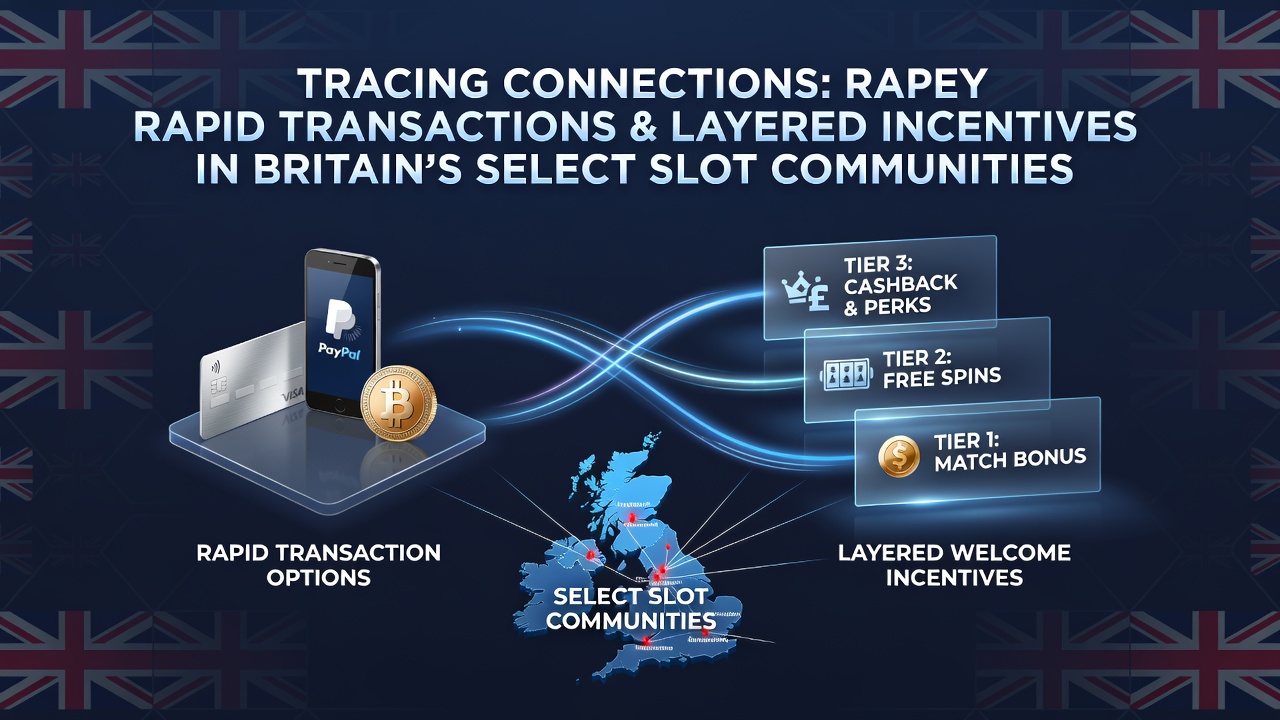
Linking Swift Payment Systems to Multi-Tiered Onboarding Rewards in Britain's Niche Slot Networks
Observers note that rapid transaction options have become central to how layered welcome incentives operate in Britain's select slot communities, where platforms structure multi-level rewards around the speed and reliability of deposits and related features. Data from industry reports indicate that sites prioritizing instant payment processing often align these capabilities with progressive bonus tiers that unlock across initial deposits, gameplay milestones, and retention periods, creating integrated experiences for new participants.
Mechanics of Fast Transaction Features in Slot Environments
Payment systems supporting near-instant deposits allow platforms to deliver layered incentives without delays, since verification processes complete quickly and funds appear in player accounts within seconds rather than hours. Research from the Remote Gambling Association shows that operators using these methods report higher completion rates for welcome packages, because users move from registration to bonus activation in a single session. And while traditional bank transfers still exist, the shift toward digital wallets and instant bank options has coincided with more complex incentive structures that stack free spins, matched deposits, and cashback elements across multiple stages.
Structure of Layered Welcome Incentives
Layered welcome incentives typically unfold in stages, with an initial deposit match followed by additional rewards triggered by wagering thresholds or time-based activity. Figures from academic studies at the University of Nevada reveal patterns where platforms in select British communities use rapid transactions to time these layers precisely, releasing subsequent bonuses once prior conditions meet. This approach lets operators maintain engagement across the first week or month, and data indicates that sites with seamless payment integration achieve more consistent uptake of the full incentive sequence compared to those relying on slower methods.
Observed Connections in Practice
Those who've examined platform data find direct ties between transaction speed and incentive depth, since faster processing supports real-time tracking of deposit amounts and wagering progress. One analysis of niche UK slot networks in early 2026 highlighted how operators adjusted bonus tiers upward when instant payment adoption increased, allowing them to offer additional layers without extending payout timelines. What's interesting is that July 2026 saw several communities integrate updated digital wallet partnerships, which in turn coincided with refined welcome structures that added portable bonus elements across devices.
Take one researcher who reviewed transaction logs across multiple sites and discovered that rapid options reduced friction points that previously interrupted layered reward progression. Platforms responded by expanding the number of tiers, incorporating elements like reload matches and targeted free spin allocations that activate automatically after the first deposit clears. Evidence suggests these adjustments appear most frequently in communities where users favor mobile play, because instant top-ups align with on-the-go participation patterns.
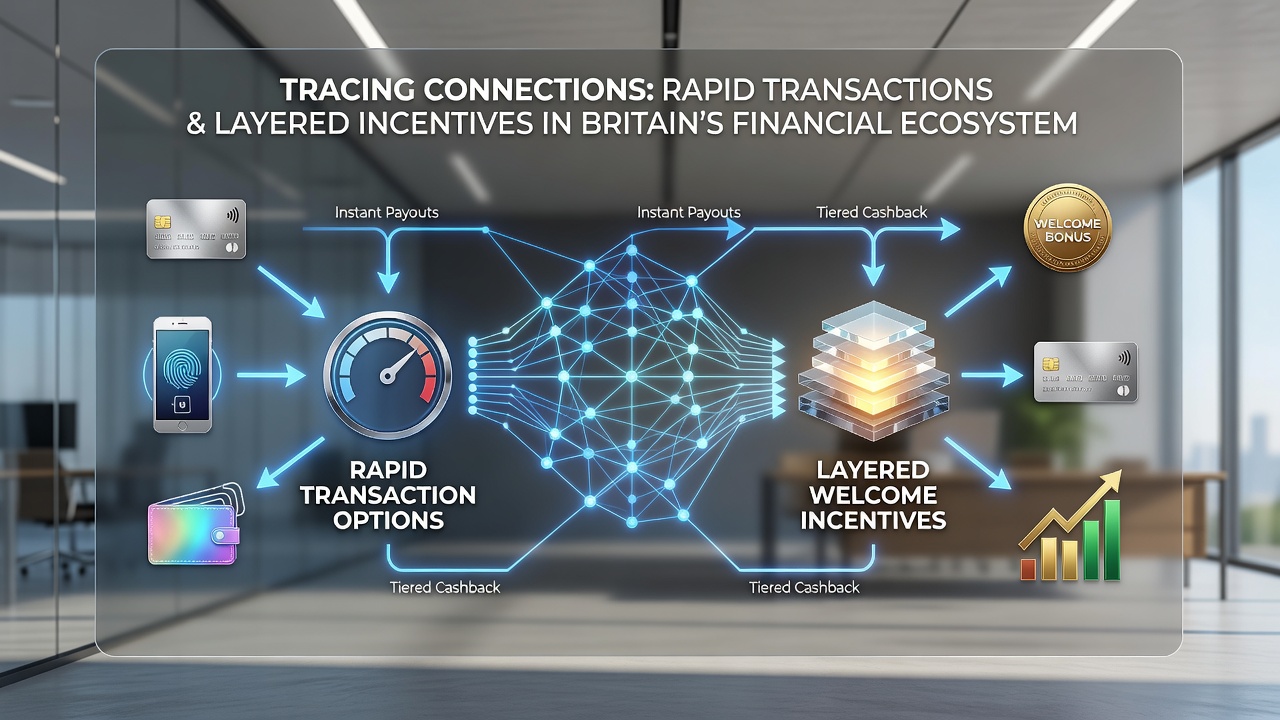
Trends Emerging in July 2026
July 2026 brought noticeable updates in how select slot communities combined transaction features with incentive layering, as several networks introduced synchronized systems that verified deposits adn applied bonus stages simultaneously. Reports compiled by the Canadian Gaming Association point to similar developments in other regulated markets, where operators used fast payment rails to support adaptive rewards that scale with user activity levels. Observers note that these changes allowed platforms to maintain compliance while expanding the scope of welcome packages, particularly in communities focused on specific game types or player segments.
Yet the ball remains in operators' court when it comes to refining these connections further, since regulatory frameworks continue to evolve around payment transparency and bonus clarity. Data shows that communities adopting these integrated approaches recorded steadier retention figures through the summer period, with layered incentives functioning as retention tools rather than isolated sign-up perks. And because rapid transactions minimize wait times, the full sequence of rewards reaches users before initial interest wanes.
Broader Industry Patterns
Industry organizations tracking global gambling trends have documented how Britain's niche slot groups mirror developments seen elsewhere, particularly where transaction speed underpins the delivery of stacked onboarding offers. A study published through the Australian Institute of Criminology found comparable linkages in other jurisdictions, where platforms leveraged instant payment capabilities to introduce progressive bonus layers that reward ongoing deposits and play. Those patterns suggest the relationship between these elements strengthens when operators prioritize both technical efficiency and structured reward design.
People who've followed these developments know that select communities often test variations of this model, adjusting tier thresholds based on average transaction speeds observed across user bases. This iterative process has produced incentive frameworks that feel cohesive rather than fragmented, since each layer builds directly on the previous one through automated payment confirmations.
Conclusion
The connections between rapid transaction options and layered welcome incentives continue to shape operations in Britain's select slot communities, with evidence pointing to measurable impacts on how platforms structure and deliver rewards. As July 2026 demonstrated through updated integrations, these elements work together to support smoother onboarding sequences while meeting regulatory expectations across different regions. Observers expect further refinements as payment technologies advance and incentive designs adapt accordingly.