Segmentation Strategies Powering Personalized No-Deposit Bonuses at Premier Slot Platforms
Written by Yves Wolf · Jul 29, 2026
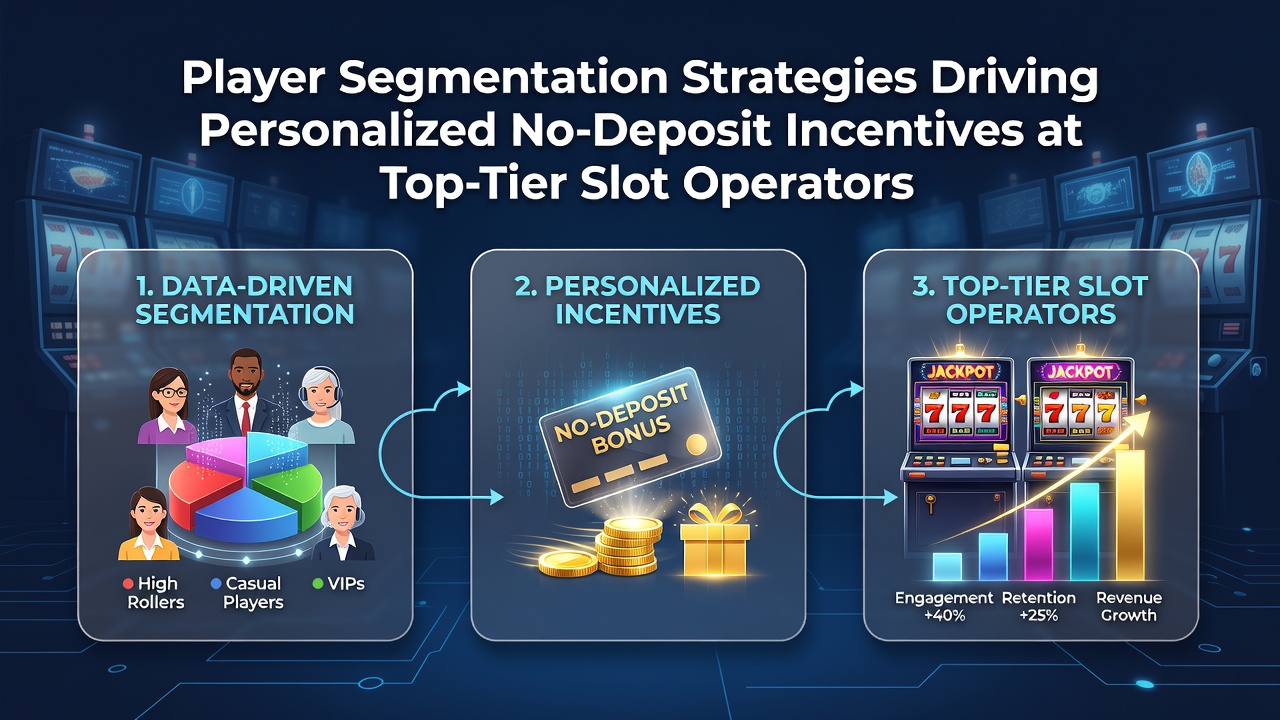
Segmentation Strategies Powering Personalized No-Deposit Bonuses at Premier Slot Platforms
Slot operators at the highest levels have refined player segmentation into a core operational discipline, and this approach now shapes how no-deposit incentives reach distinct user groups with precision. Data from transaction histories, session lengths, and game preferences feed into clustering models that divide audiences into behavioral cohorts, allowing platforms to assign offers that match observed patterns rather than generic promotions.
Core Segmentation Frameworks in Use
Leading platforms rely on a combination of demographic, behavioral, and value-based variables to build segments, and these variables update continuously through automated pipelines. High-frequency players who favor high-volatility titles often receive no-deposit spins calibrated to their average bet size, while low-frequency users see offers tied to shorter session thresholds that encourage initial engagement. Observers note that operators integrate third-party data enrichment services to supplement internal records, and this practice expands the accuracy of lifetime-value predictions that guide incentive sizing.
Research from the American Gaming Association indicates that segmented campaigns produce measurable lifts in retention metrics across multiple jurisdictions, and the same analysis highlights how value-tier segmentation prevents over-delivery of incentives to already active accounts. Platforms adjust segment boundaries quarterly, incorporating fresh performance data to maintain alignment with shifting player habits.
Mechanics Behind Personalized No-Deposit Delivery
Once segments form, automated rules engines match each cohort to specific no-deposit structures, and these structures include free spins, cash credits, or risk-free bets scaled according to segment parameters. A mid-value segment might receive 20 free spins on selected titles with a 15x wagering requirement, whereas a newly acquired low-value segment encounters a lower threshold and fewer spins to reduce early churn risk. Operators test these parameters through controlled rollouts, and results feed back into the segmentation model within days rather than weeks.
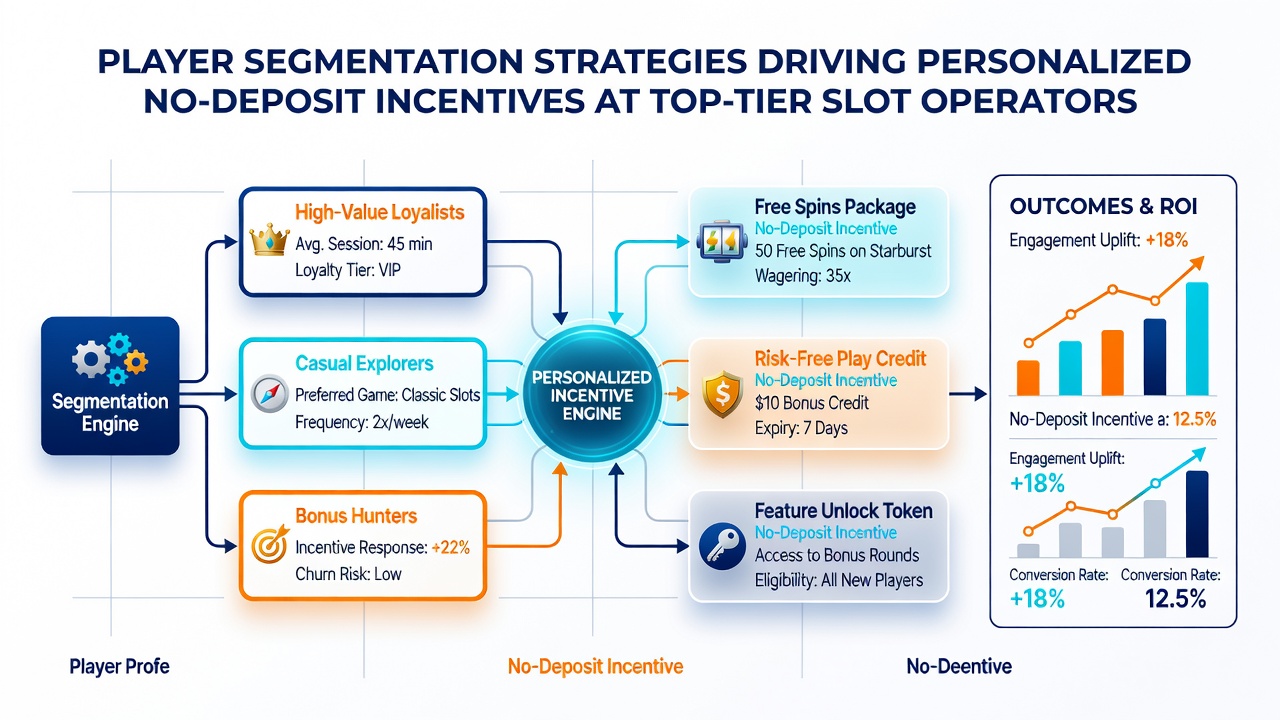
July 2026 brought further integration between real-time analytics platforms and bonus engines at several major operators, and this timing coincided with regulatory updates in multiple markets that emphasized responsible incentive design. Systems now flag accounts showing rapid spend increases after no-deposit redemptions, and operators apply temporary segment reassignments that pause additional offers until behavior stabilizes.
Regional Regulatory Influences on Segmentation Practices
Operators serving Canadian markets reference guidance from the Alcohol and Gaming Commission of Ontario when designing no-deposit offers, and this guidance stresses transparency in how segments receive differentiated treatment. Australian platforms follow directives from state regulators that require clear disclosure of eligibility criteria, and these rules have prompted operators to publish segment definitions in player-facing documentation. European operators operating under the Malta Gaming Authority framework apply similar segmentation logic but must document fairness testing for each cohort before launch.
Industry reports compiled by Gambling Research Australia reveal that operators using multi-variable segmentation achieve higher conversion from no-deposit offers into depositing players compared with single-variable approaches, and the data covers activity across several years of operation. These findings have encouraged cross-border operators to harmonize their models where local rules permit.
Technical Infrastructure Supporting Segmentation
Modern segmentation relies on cloud-based data lakes that ingest events from game clients, payment processors, and customer support interactions, and machine-learning models then assign probabilistic segment membership scores rather than hard categories. This probabilistic layer allows an individual player to belong partially to multiple segments, and the bonus engine blends offers accordingly. Platforms maintain audit trails of every assignment decision, and these records support compliance reviews requested by regulators.
One study published through the University of Nevada, Las Vegas gaming research center examined how segmentation accuracy correlates with incentive redemption rates, and the analysis covered datasets from several North American operators. Findings showed that models incorporating at least five distinct behavioral features outperformed simpler two-feature models by substantial margins in predicted uptake.
Future Adjustments Anticipated After July 2026
Following the July 2026 regulatory clarifications in key markets, operators have begun stress-testing segmentation models against new responsible-gambling thresholds, and these tests include scenarios where high-risk segments receive reduced or delayed no-deposit access. Technical teams continue to refine feature sets that capture emerging play patterns such as cross-device sessions and social-feature usage, and early internal benchmarks suggest these additions improve segment stability over time.
Conclusion
Player segmentation has evolved from a marketing tactic into a foundational system that governs no-deposit incentive distribution at top-tier slot operators, and the infrastructure supporting these systems continues to incorporate regulatory feedback and performance data. As platforms refine their models through ongoing testing and regional compliance requirements, the allocation of personalized offers remains tied to measurable behavioral signals rather than broad assumptions.