Session Data Analytics Reshaping Cashback Incentives in Independent UK Gaming Networks
Written by Taylor Long · Aug 12, 2026
Session Data Analytics Reshaping Cashback Incentives in Independent UK Gaming Networks
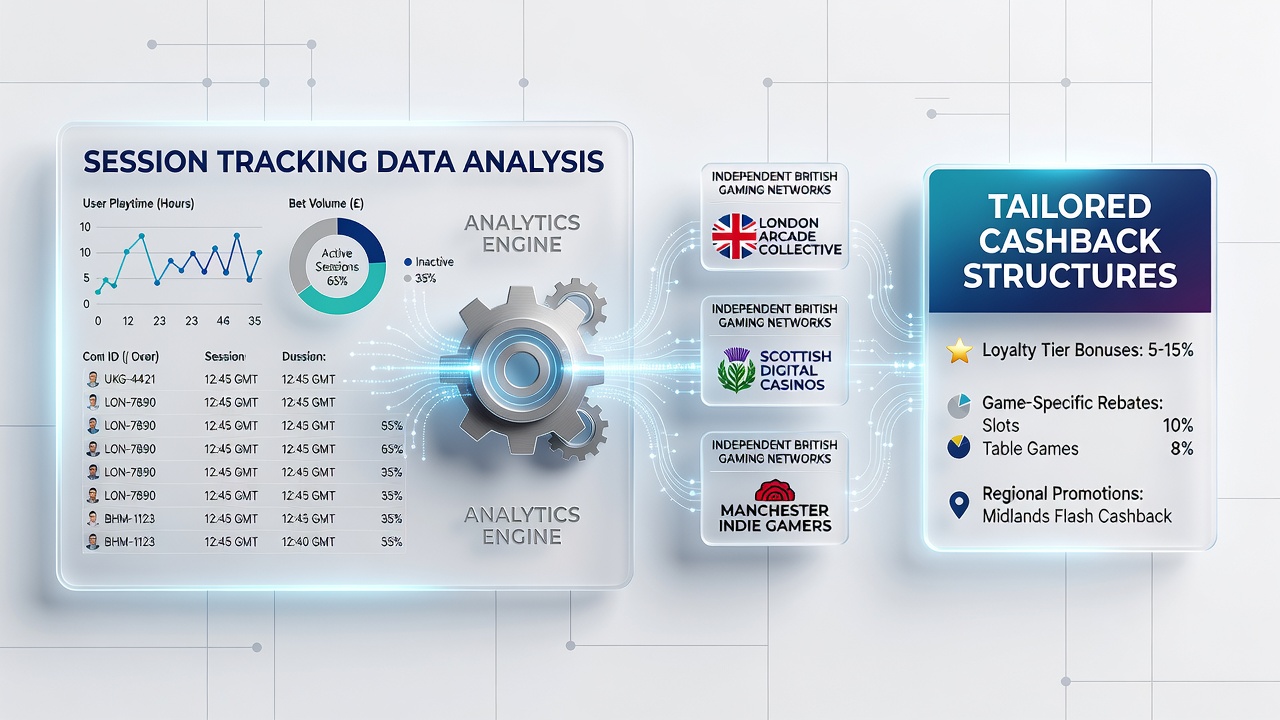
Independent British gaming networks rely on session tracking systems to gather detailed information about player behavior, duration, and activity patterns, then apply that information to construct cashback offers that align with individual engagement levels. These networks operate outside major corporate groups, so they often develop their own data frameworks that monitor login frequency, game type selections, and spending velocity within each session. The resulting cashback percentages and eligibility windows adjust automatically based on thresholds derived from aggregated records.
Mechanics of Session Tracking in Smaller Networks
Operators collect timestamps for every spin, deposit, and withdrawal event while noting device type and geographic indicators that remain within permitted boundaries. Systems then calculate metrics such as average session length and return-to-player exposure during those periods, which feed directly into cashback formulas. When a player completes multiple short sessions within a week, the algorithm may trigger a higher percentage return on net losses compared with users who log in for single extended plays. Independent sites update these rules monthly, drawing from internal datasets that exclude any personally identifiable details under current data protection standards.
Adjusting Cashback Percentages Through Behavioral Signals
Tailored cashback structures emerge when networks segment users according to observed patterns rather than fixed tiers. A player who alternates between high-volatility slots and table games might receive a cashback window that resets after every 48 hours of activity, whereas someone focused on lower-volatility titles could see a longer accumulation period capped at a different maximum. These distinctions arise because session data reveals which game categories produce steadier loss profiles, allowing networks to allocate promotional budgets more precisely across their user base. In August 2026 several independent operators reported that refined segmentation reduced overall cashback expenditure by reallocating funds toward segments showing consistent repeat visits.

Regional Comparisons and External Benchmarks
Analysts sometimes reference frameworks developed outside the UK to evaluate similar tracking approaches. Reports from the Australian Gambling Research Centre highlight how session-based metrics influence loyalty structures in standalone venues, and those observations help British operators benchmark their own models without adopting identical parameters. A separate study issued by the University of Nevada’s International Gaming Institute examined cashback calibration across smaller North American platforms, noting that networks using granular session data achieved more stable player retention figures than those relying solely on deposit history.
Implementation Challenges for Standalone Platforms
Independent networks must balance computational resources with real-time processing demands when they refresh cashback offers after each completed session. Smaller teams often integrate third-party analytics tools that anonymize records before applying rule sets, which reduces overhead while maintaining compliance with licensing conditions. One operator based in the Midlands adjusted its cashback trigger from a flat 5 percent to a sliding scale ranging between 3 and 8 percent after reviewing six months of session logs that showed wide variation in evening versus daytime engagement. Such modifications illustrate how data granularity allows precise calibration without broad policy overhauls.
Future Trajectory for Data-Led Cashback Models
Continued refinement of session tracking promises further customization as networks incorporate additional variables such as time-of-day preferences and device rotation patterns. Because independent operators lack centralized data pools, they exchange anonymized trend summaries through industry associations, enabling collective insight without sharing proprietary player information. This collaborative layer supports incremental improvements in cashback accuracy while preserving each network’s distinct operational identity.
Conclusion
Session tracking data supplies the raw material that independent British gaming networks convert into differentiated cashback structures, linking observed play habits directly to reward parameters. External reference points from bodies such as the Australian Gambling Research Centre and the University of Nevada’s International Gaming Institute supply comparative context that informs these local adaptations. As tracking systems evolve, the relationship between session metrics and cashback design is expected to grow more intricate, sustaining tailored incentives across Britain’s independent gaming landscape.