Shifting Reward Structures in Prominent UK Slot Sites Driven by Player Behavior Analysis
Written by Theo Neumann · Jun 1, 2026
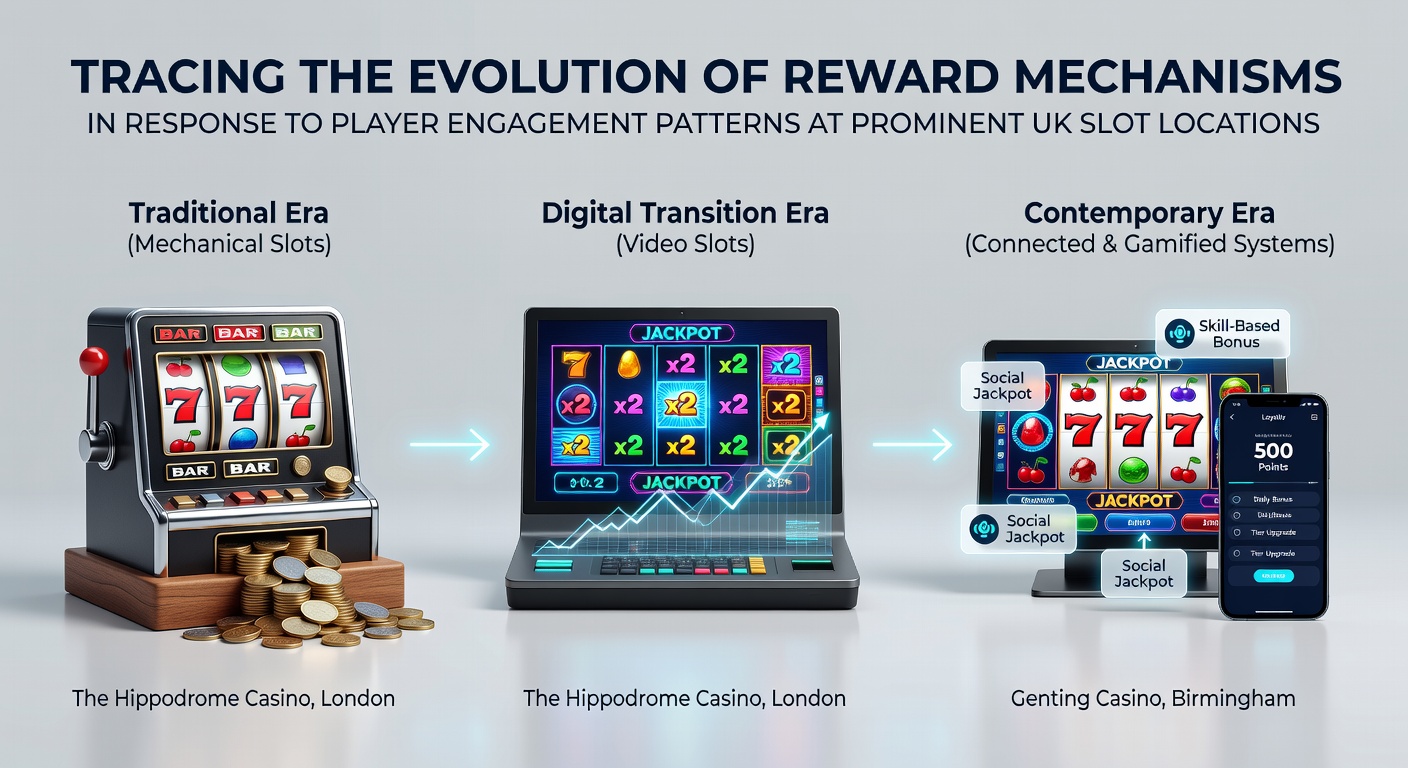
Shifting Reward Structures in Prominent UK Slot Sites Driven by Player Behavior Analysis
Player engagement patterns have shaped reward mechanisms at prominent UK slot locations over several decades, with operators adjusting offers based on collected data from session lengths, frequency of visits, and spending behaviors. Early systems relied on fixed loyalty points that accumulated with each wager, yet these evolved as venue managers noticed that short, intense sessions produced different retention outcomes compared to extended play periods.
Early Frameworks and Initial Adjustments
Slot venues in major British cities began implementing basic reward cards during the late 1990s, where points converted into free credits or merchandise after reaching set thresholds. Those who studied participation records observed that players returned more consistently when rewards arrived at predictable intervals rather than through random draws. Data collected at high-traffic sites revealed clusters of engagement around evenings and weekends, prompting operators to introduce time-specific multipliers that boosted point earnings during peak hours.
By the mid-2000s, several prominent locations integrated tiered structures that granted escalating benefits to frequent visitors. Researchers tracking these programs noted that players who reached mid-level tiers maintained higher average session durations, while entry-level participants often required additional prompts such as targeted free-play vouchers to sustain activity.
Data Integration and Pattern Recognition
Advanced tracking systems entered widespread use after 2010, allowing venues to monitor individual betting patterns through electronic loyalty platforms. Analysts examined variables including machine selection, bet sizing, and pause durations between spins, then correlated these with reward redemption rates. Evidence from aggregated reports shows that personalized offers based on these metrics increased repeat visits by measurable margins at multiple sites across England and Scotland.
One study conducted by academic groups in Canada highlighted parallels in engagement data, where similar adjustments to reward timing produced comparable lifts in player retention across North American gaming floors. Operators in the UK adapted these insights by experimenting with dynamic reward scaling that responded to real-time activity levels rather than static weekly summaries.
As of June 2026, several leading venues continue refining these approaches through machine-learning models that predict drop-off points and intervene with tailored incentives. Figures released by industry monitoring bodies indicate that adaptive rewards now account for a growing share of total promotional spend at high-volume slot locations.
Regional Variations and Implementation Examples
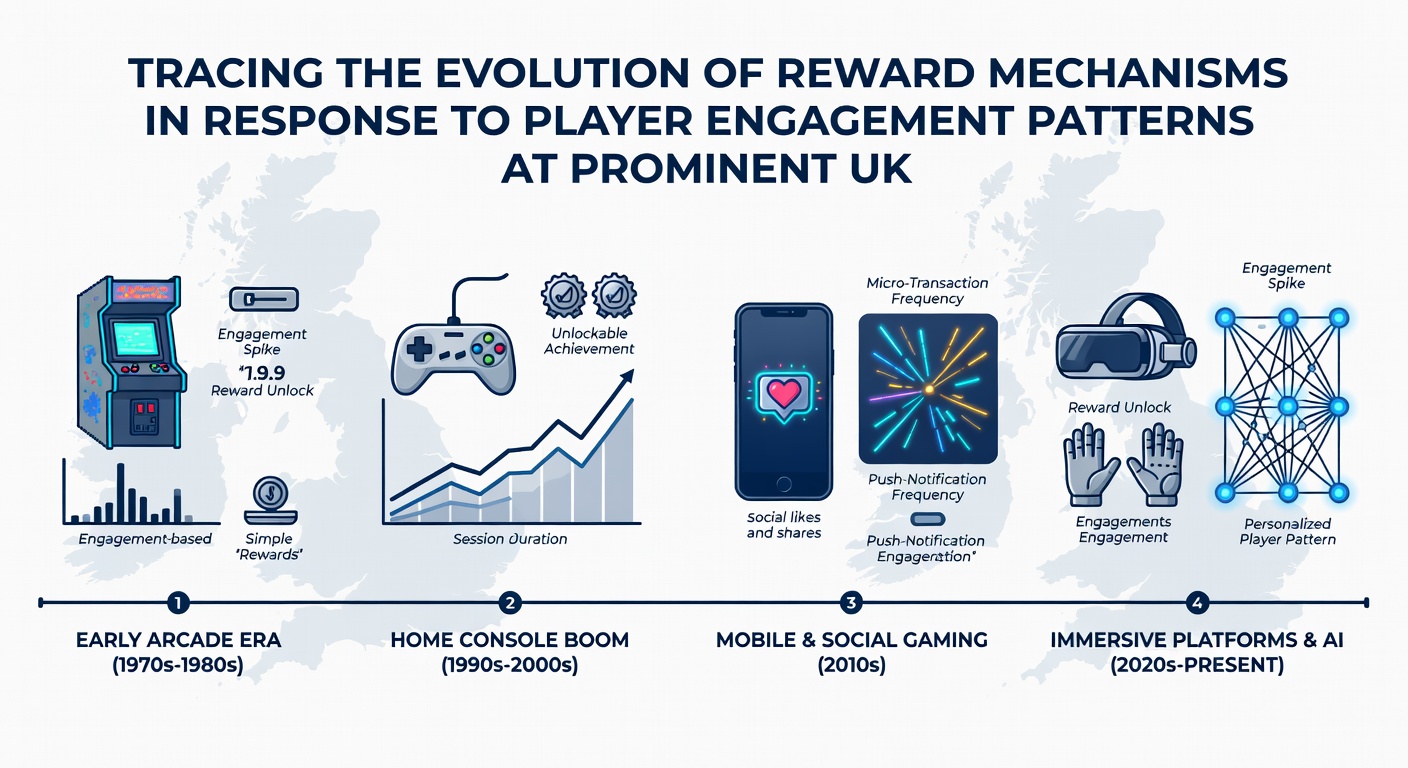
London-based sites often emphasize rapid reward delivery through mobile-linked accounts, whereas northern venues have focused on cumulative milestone bonuses that unlock after extended play streaks. Observers note that these differences align with documented variations in local engagement rhythms, with southern locations recording shorter but more frequent visits and northern sites showing longer individual sessions.
Take one regional operator who adjusted its system after reviewing heat-map data from floor sensors. The changes introduced instant micro-rewards during lulls in activity, resulting in documented extensions of average play time across monitored machines. Similar experiments at other prominent locations incorporated social features such as group challenges that distributed shared bonuses when collective targets were met.
External analysis from the Responsible Gambling Council in Canada has examined how such behavioral triggers interact with overall participation patterns, providing comparative benchmarks for UK operators seeking to balance engagement with regulatory expectations. Australian research institutions have published parallel findings on reward timing, noting that immediate feedback loops tend to sustain interest more effectively than delayed payouts in controlled trials.
Current Trends and Measurement Outcomes
Contemporary reward mechanisms at UK slot venues now incorporate multi-channel tracking that combines on-site activity with online account interactions. This integration allows for seamless transfer of benefits across physical and digital platforms, a development that emerged after operators identified fragmented engagement when players switched between environments.
Statistics compiled through venue networks show increased uptake of layered reward pathways that combine immediate credits with longer-term status benefits. Those who've examined retention curves report that players receiving hybrid offers demonstrate steadier engagement trajectories compared to those exposed to single-type incentives.
Conclusion
The progression of reward mechanisms at prominent UK slot locations reflects ongoing responses to measured engagement patterns, with operators refining delivery methods based on accumulated behavioral data. Continued monitoring through June 2026 and beyond will likely produce further refinements as new analytical tools become available and regional differences receive additional attention from venue management teams.