UKGC Signals Key 2026 Deadlines: Consultations Shape Post-White Paper Gambling Reforms
Written by Yves Wolf · Apr 15, 2026

UKGC Signals Key 2026 Deadlines: Consultations Shape Post-White Paper Gambling Reforms
The Notifications Reach Licence Holders
The UK Gambling Commission (UKGC) recently notified licence holders and stakeholders about critical upcoming deadlines, part of its ongoing regulatory evolution; these include the consultation on updating the Destination of Regulatory Settlements, set to close on April 2, 2026, and an online survey with follow-up interviews evaluating the Gambling Act Review (GAR), due by April 10, 2026. Operators and industry participants now face these timelines as they prepare input on reforms stemming from the government's White Paper, which aims to modernize gambling rules while addressing consumer protections.
What's interesting here is how these deadlines tie directly into post-White Paper changes, such as aligning financial penalties across sectors and collecting operator feedback on measures like financial vulnerability checks and stake limits for online slots; the UKGC positions these efforts as essential steps toward a balanced regulatory framework, one that supports business viability alongside player safeguards. Licence holders received clear guidance on participation, ensuring they can contribute before the windows close in early April 2026.
Breaking Down the Destination of Regulatory Settlements Consultation
Central to the notifications stands the consultation on updating the Destination of Regulatory Settlements, a process that determines how funds from regulatory penalties and settlements get allocated; this review, closing April 2, 2026, seeks to refine those mechanisms in light of evolving industry dynamics and White Paper directives. Experts who track UKGC activities note that such settlements often fund research, education, and treatment initiatives for gambling harms, so updates could shift priorities based on stakeholder input.
But here's the thing: aligning financial penalties forms a key focus, as the consultation explores consistency between land-based adn online operations; operators, for instance, might weigh in on how penalty structures impact compliance costs, while regulators aim for proportionality that deters misconduct without stifling innovation. Those familiar with past consultations recall similar efforts leading to tangible policy tweaks, like enhanced transparency in fund distribution.
And while the deadline looms 18 months out, early engagement proves crucial, since the UKGC emphasizes that responses will directly influence final guidelines; stakeholders can access full details through official channels, submitting views on everything from enforcement fairness to settlement usage effectiveness.
GAR Evaluation Survey: Gathering Operator Insights
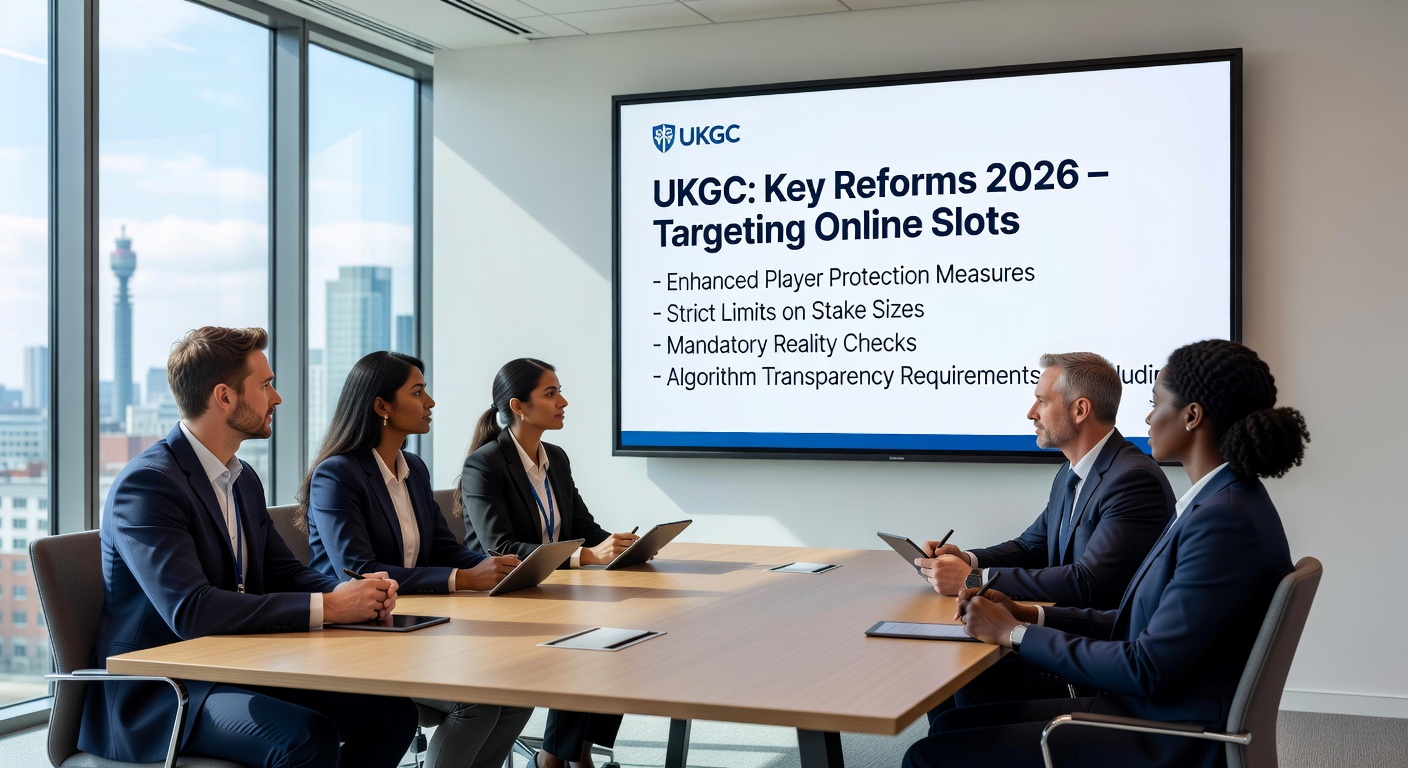
Running parallel to the settlements consultation, the online survey with follow-up interviews assesses the Gambling Act Review implementation, closing April 10, 2026; led by the National Centre for Social Research (NatCen) on behalf of the Department for Culture, Media and Sport (DCMS), this evaluation captures operator experiences with reforms like mandatory financial vulnerability checks and online slots stake limits. NatCen, known for rigorous social research, designs the survey to yield actionable data on how these changes affect daily operations and player interactions.
Turns out, feedback on financial vulnerability checks carries significant weight, as operators report on tools for identifying at-risk customers, including frictionless assessments integrated into account setups; studies from prior pilots indicate these checks flag vulnerabilities early, prompting interventions that reduce harm without broad disruptions. Similarly, stake limits for online slots, capping bets at £5 for those 25 and over or £2 for under-25s (with exemptions for premium games), spark discussions on player behavior shifts and revenue implications.
Participants selected for interviews dive deeper, offering qualitative insights that complement survey stats; the DCMS relies on NatCen's independence to ensure findings reflect real-world outcomes, from compliance burdens to effectiveness in curbing problem gambling. One case where early GAR feedback shaped adjustments involved refining age verification processes, showing how operator voices influence refinements.
Now, with April 2026 approaching, the UKGC urges prompt survey completion, as aggregated responses will inform future tweaks to the Gambling Act, potentially extending to advertising rules or licensing conditions.
Context of Post-White Paper Reforms
These deadlines emerge amid broader post-White Paper reforms, published in 2023 after extensive consultation, which overhaul the 2005 Gambling Act to tackle online proliferation and affordability concerns; the UKGC implements changes incrementally, with financial penalties alignment ensuring equitable enforcement across gambling verticals, from sportsbooks to casinos. Observers point out that vulnerability checks, rolled out progressively since 2024, require operators to monitor spending patterns, depositing over £150 monthly triggers further scrutiny in some cases.
Stake limits on online slots represent another pillar, designed to mitigate rapid losses from high-speed play; data from initial rollouts reveals varied adoption, with some sites adjusting game portfolios while others enhance safer gambling messaging. Yet, the rubber meets the road in operator feedback, where surveys like the GAR evaluation quantify impacts, such as shifts in deposit volumes or customer retention rates.
It's noteworthy that NatCen's involvement lends credibility, given its track record in public policy research; for DCMS, this means evidence-based decisions, whether bolstering levy-funded treatment or fine-tuning stake thresholds based on empirical outcomes. Licence holders, meanwhile, balance participation with operational prep, ensuring their perspectives reach regulators before deadlines pass.
Stakeholder Implications and Participation Pathways
Industry stakeholders face a clear call to action, with the UKGC providing tailored resources for both consultations; for the settlements review, submission portals open well in advance of April 2, 2026, allowing detailed position papers or concise responses. The GAR survey, distributed via NatCen, targets a representative sample of operators, prioritizing those handling high volumes of online slots or vulnerability assessments.
People who've navigated prior UKGC consultations often discover that proactive input yields influence, as seen in adjustments to remote gambling duties or self-exclusion frameworks; here, operators might highlight successes with stake limits promoting responsible play, or challenges in scaling vulnerability tech across platforms. And since follow-up interviews offer deeper dives, selected participants shape nuanced recommendations.
That said, non-participation risks sidelining key views, especially as reforms accelerate toward full implementation by late 2026; trade bodies like the Betting and Gaming Council encourage members to prioritize these, coordinating collective responses for maximum impact.
Broader Regulatory Landscape in 2026
As April 2026 nears, these deadlines anchor a pivotal moment in UK gambling regulation, bridging White Paper ambitions with on-the-ground realities; the UKGC's evolution continues, incorporating lessons from affordability trials and slots reforms into holistic oversight. Researchers tracking the sector anticipate that consultation outcomes will refine penalty destinations toward prevention-focused spending, while GAR data could validate or adjust core protections.
So, licence holders gear up, reviewing compliance roadmaps and rallying teams for submissions; the process underscores collaboration, where operator expertise meets regulatory goals in a shared push for sustainable gambling environments.
Conclusion
The UKGC's announcement of April 2026 deadlines for the Destination of Regulatory Settlements consultation and GAR evaluation survey marks a structured step in post-White Paper reforms, inviting licence holders to inform alignments in financial penalties, vulnerability checks, and slots stake limits; with NatCen leading the GAR effort for DCMS, outcomes promise data-driven enhancements to the Gambling Act. Stakeholders who engage now position themselves at the forefront, ensuring the regulatory framework evolves effectively as 2026 unfolds.